Skincare for Beginners: Your Complete Guide to Getting Started
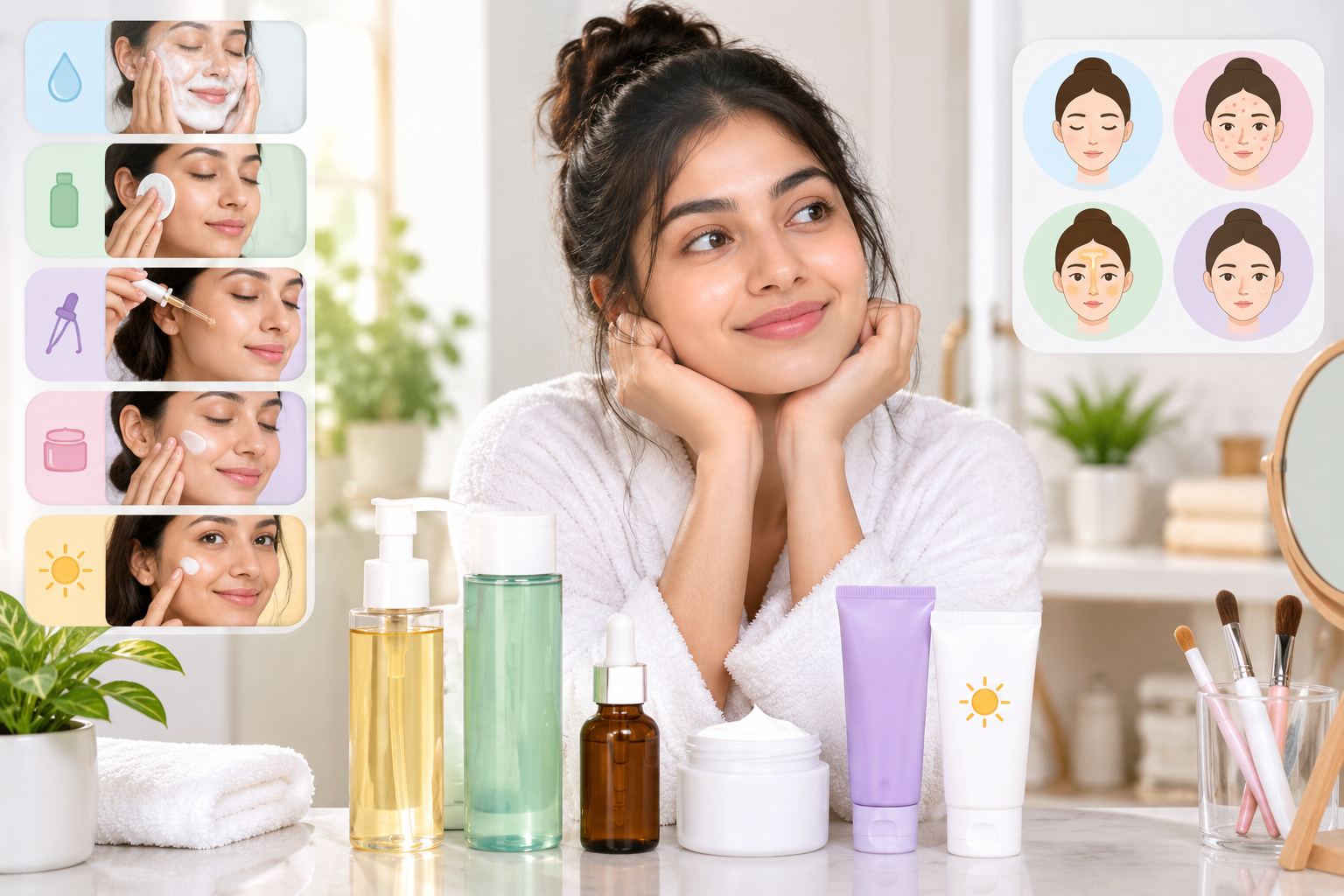
If you’ve ever stood in front of a beauty aisle overwhelmed by dozens of bottles, jars, and serums, you’re not alone. Skincare can feel like a complicated world full of confusing terms, expensive products, and conflicting advice. But here’s the truth: skincare doesn’t have to be complicated. Whether you’re a teenager dealing with your first breakout or an adult just starting to pay attention to your skin, this guide will walk you through everything you need to know as a beginner.
What Is Skincare, Really?
At its core, skincare is simply the practice of taking care of your skin to keep it healthy, clean, and functioning properly. Your skin is the largest organ of your body, and it works hard every single day — protecting you from bacteria, pollution, UV rays, and other environmental stressors. Just like you brush your teeth to maintain oral health, skincare is about giving your skin the attention it needs to stay in good condition.

Skincare isn’t about achieving “perfect” or flawless skin overnight. It’s about consistency, understanding your skin’s needs, and using the right products in the right way. Think of it as a long-term relationship with your skin rather than a quick fix.
Why Should You Start a Skincare Routine?
Many beginners ask, “Why do I even need a skincare routine? Isn’t washing my face with soap enough?” The answer is more nuanced than you might think.
1. Prevention Is Better Than Cure
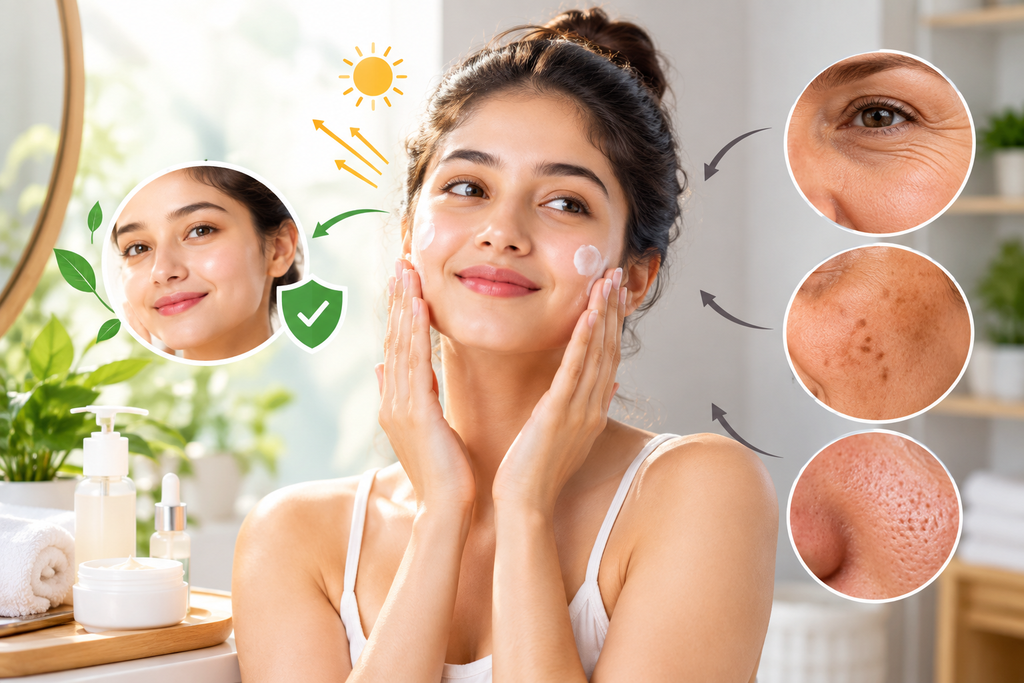
One of the biggest reasons people start skincare early is prevention. Issues like premature aging, sun damage, and clogged pores are much easier to prevent than to reverse. Starting a simple routine in your teens or twenties can save you from dealing with more serious skin concerns later in life.
2. Your Skin Changes Over Time
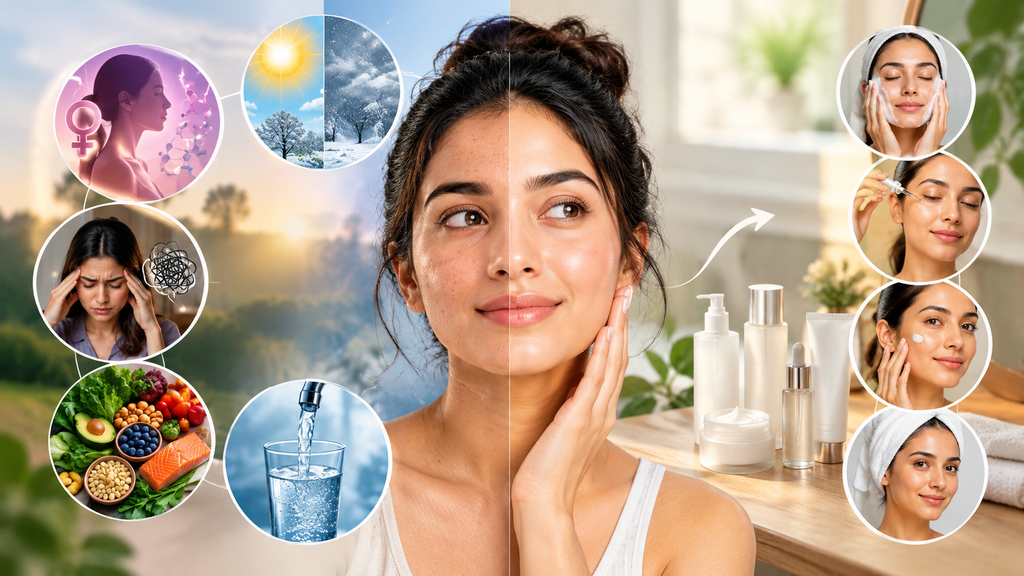
Hormones, weather, stress, diet, and even the water you use can affect your skin. A skincare routine helps you adapt to these changes rather than ignore them.
3. Confidence Boost

Let’s be honest — when your skin feels good, you feel good. Clear, healthy-looking skin can boost your confidence and reduce the anxiety that comes with breakouts, dryness, or uneven texture.
4. Protection From Daily Damage
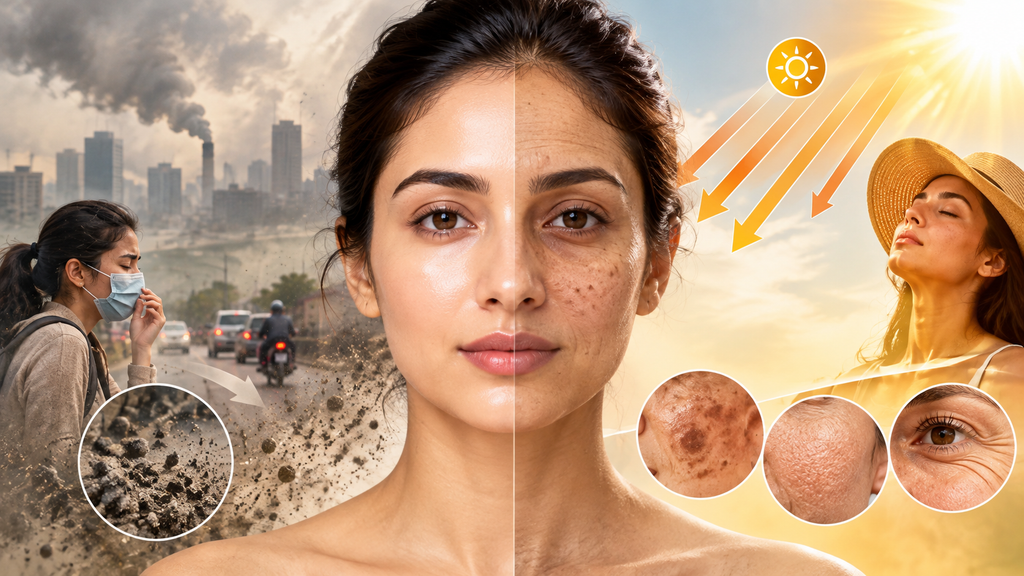
Every day, your skin is exposed to dust, pollution, and harmful UV rays. Without proper care, this exposure can lead to dullness, dark spots, and early signs of aging.
What Is Skincare Meant to Do?
A good skincare routine typically focuses on four main goals:

- Cleansing – Removing dirt, oil, and impurities from the skin’s surface.
- Hydration – Keeping the skin moisturized so it doesn’t become dry or irritated.
- Protection – Shielding the skin from sun damage and environmental pollutants.
- Treatment – Addressing specific concerns like acne, dark spots, or fine lines.
As a beginner, you don’t need to tackle all of these at once. Start simple, and build your routine gradually as you learn what your skin responds to.
Understanding Your Skin Type
Before you buy any product, it’s essential to understand your skin type. Using the wrong products for your skin type can actually cause more harm than good — leading to breakouts, irritation, or excessive dryness.
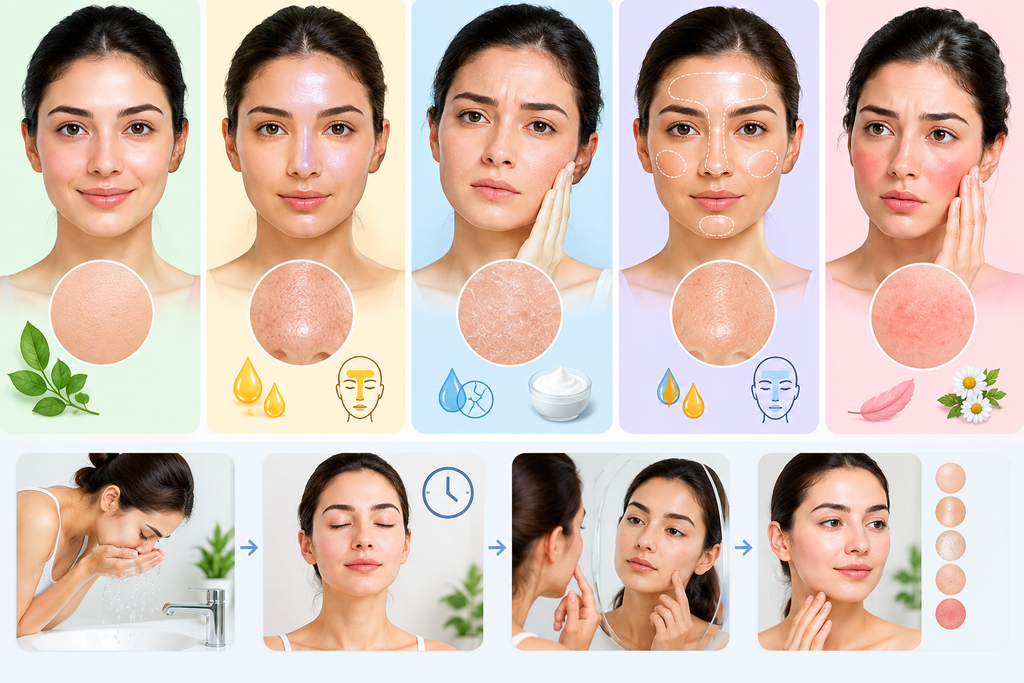
1. Normal Skin
If your skin isn’t too oily or too dry, and you rarely experience sensitivity or breakouts, you likely have normal skin. Lucky you! This skin type is generally easier to manage.
2. Oily Skin
Oily skin tends to look shiny, especially in the T-zone (forehead, nose, and chin). People with oily skin are often more prone to acne and enlarged pores because of excess sebum production.
3. Dry Skin
Dry skin often feels tight, flaky, or rough. It may look dull and can be more prone to fine lines if not properly moisturized.
4. Combination Skin
This is one of the most common skin types. It usually means you have an oily T-zone but drier cheeks. Combination skin requires a balanced approach — you can’t treat your whole face the same way.
5. Sensitive Skin
If your skin reacts easily to new products with redness, itching, or burning, you likely have sensitive skin. This skin type requires gentle, fragrance-free products.
A simple way to figure out your skin type at home is to wash your face, wait about an hour without applying anything, and observe how your skin feels and looks.
Building Your First Skincare Routine
Now that you understand the basics, let’s talk about how to actually build a beginner-friendly routine. The golden rule here is: keep it simple. You don’t need a ten-step routine to have healthy skin.
Step 1: Cleanser
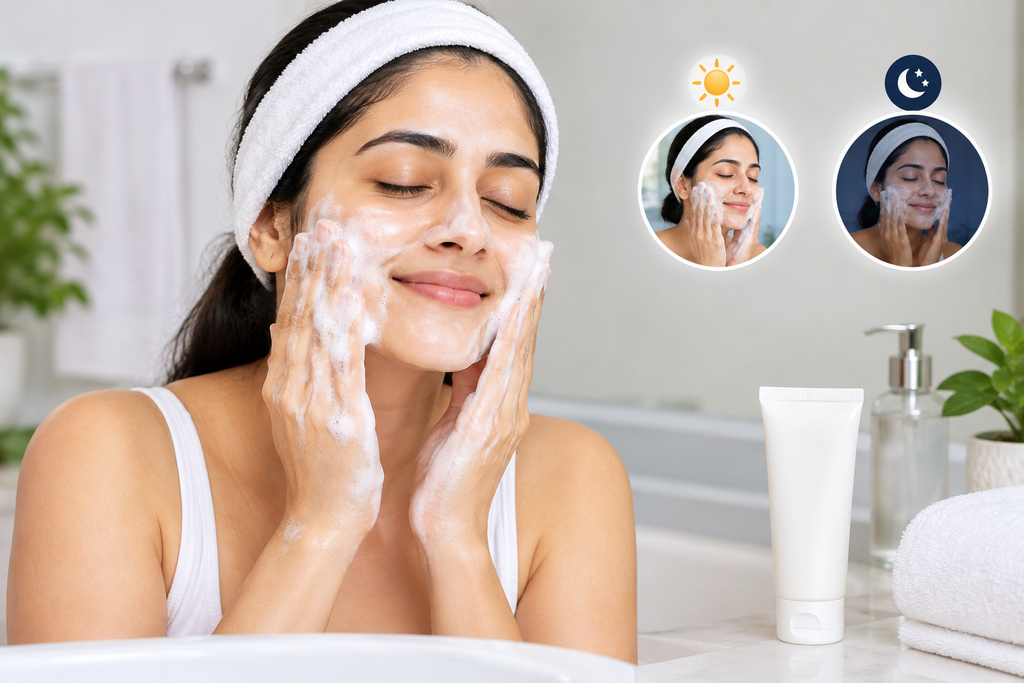
A gentle cleanser is the foundation of any skincare routine. It removes dirt, oil, and makeup without stripping your skin of its natural moisture. Wash your face twice a day — once in the morning and once at night.
Step 2: Moisturizer
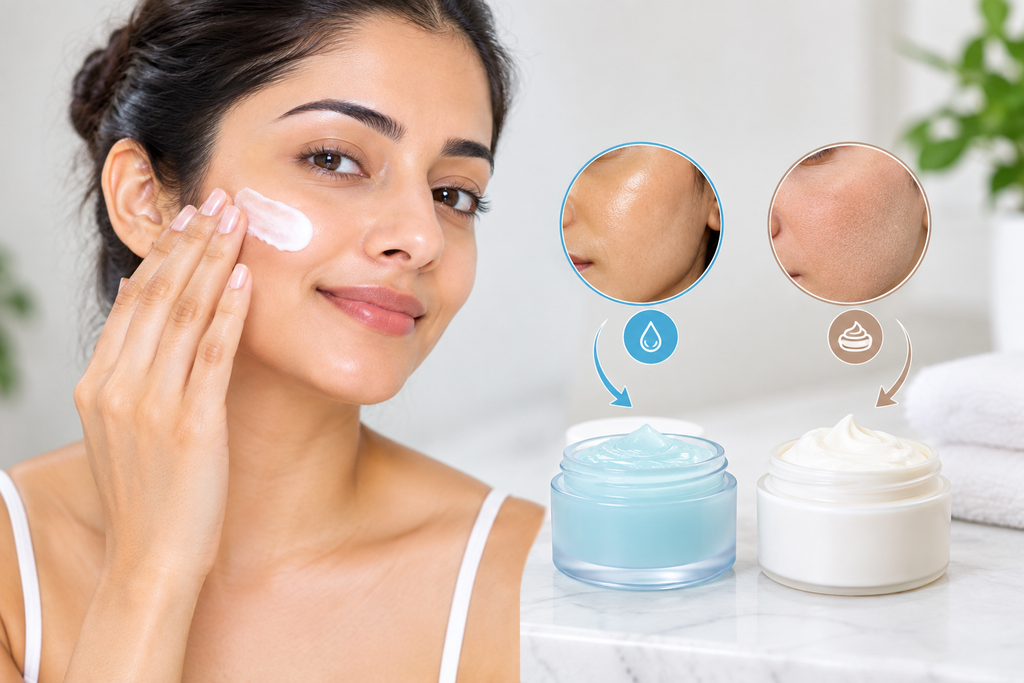
Regardless of your skin type, moisturizing is essential. Even oily skin needs hydration — skipping moisturizer can actually cause your skin to produce more oil to compensate. Choose a lightweight, oil-free moisturizer if you have oily skin, and a richer, cream-based one if your skin is dry.
Step 3: Sunscreen
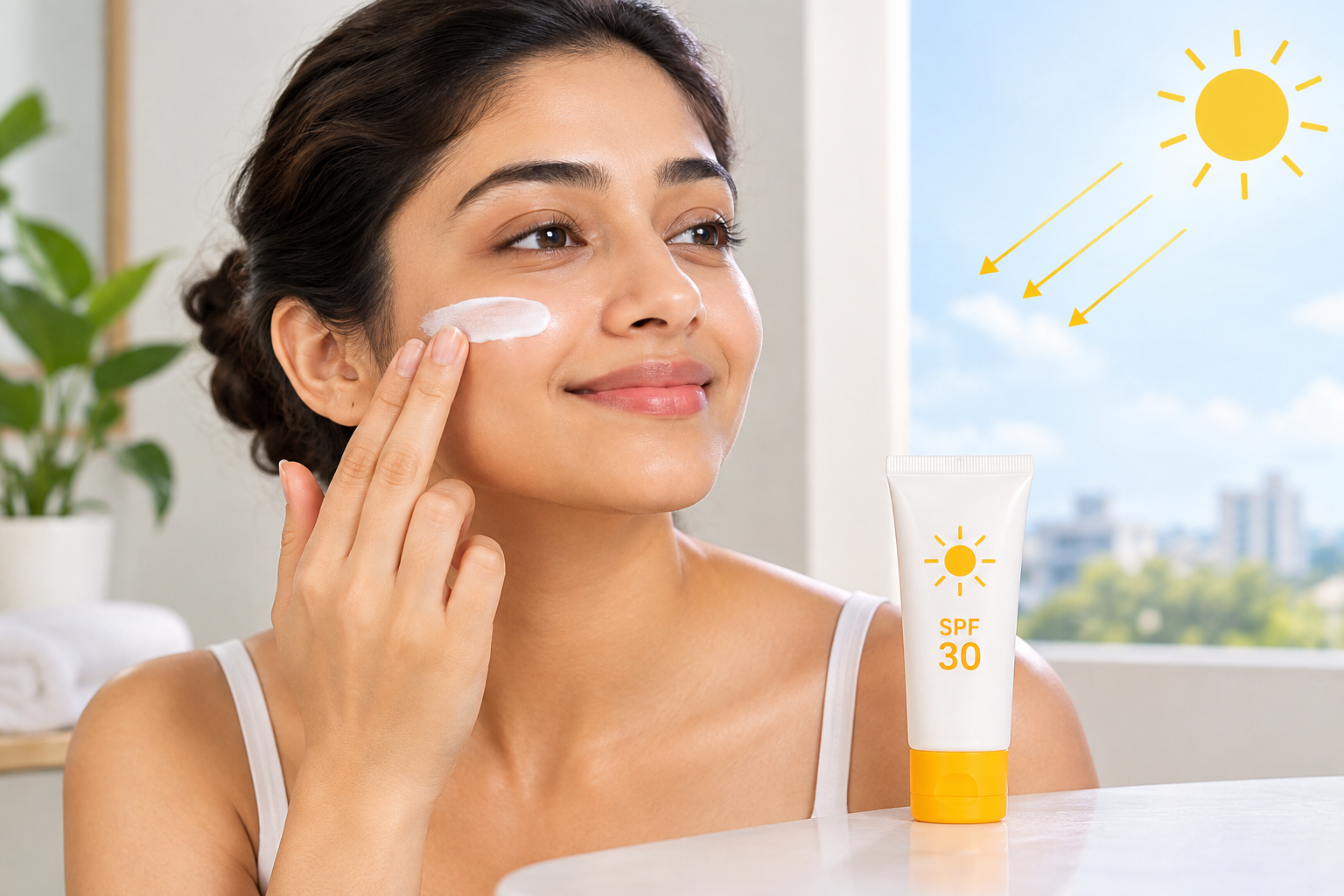
This is arguably the most important step, yet it’s the one beginners skip the most. Sunscreen protects your skin from harmful UV rays that cause premature aging, dark spots, and even skin cancer. Apply a broad-spectrum sunscreen with at least SPF 30 every single morning, even on cloudy days or when you’re indoors near windows.
Step 4 (Optional): Treatment Products
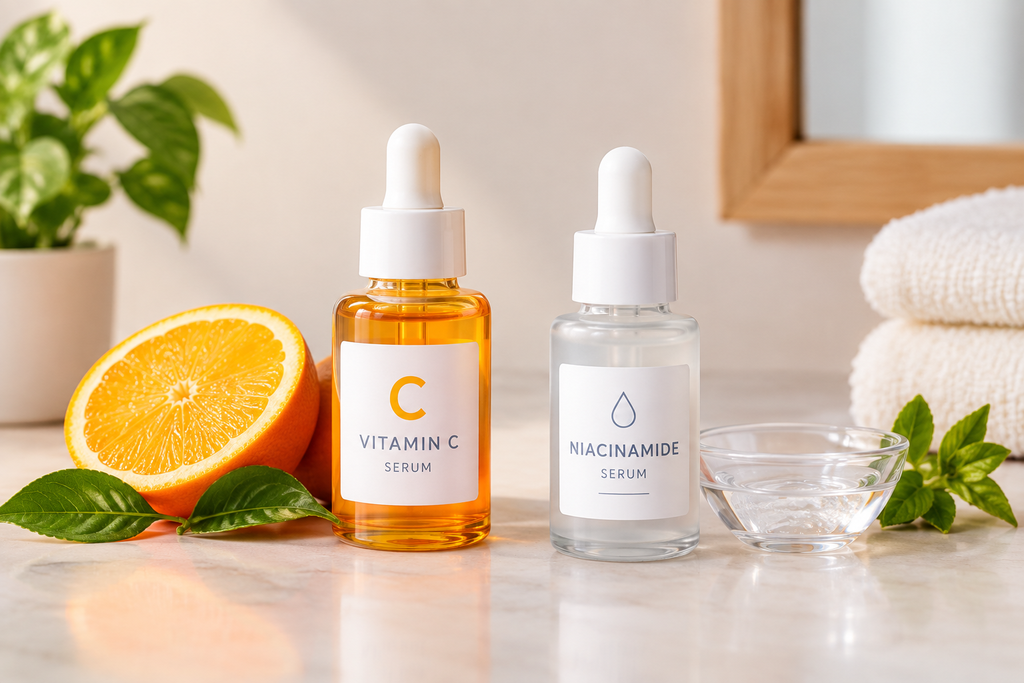
Once you’re comfortable with the basics, you can slowly introduce treatment products like serums for specific concerns — such as vitamin C for brightening or niacinamide for controlling oil. However, as a beginner, it’s best to master the basics first before adding extra steps.
Common Mistakes Beginners Make
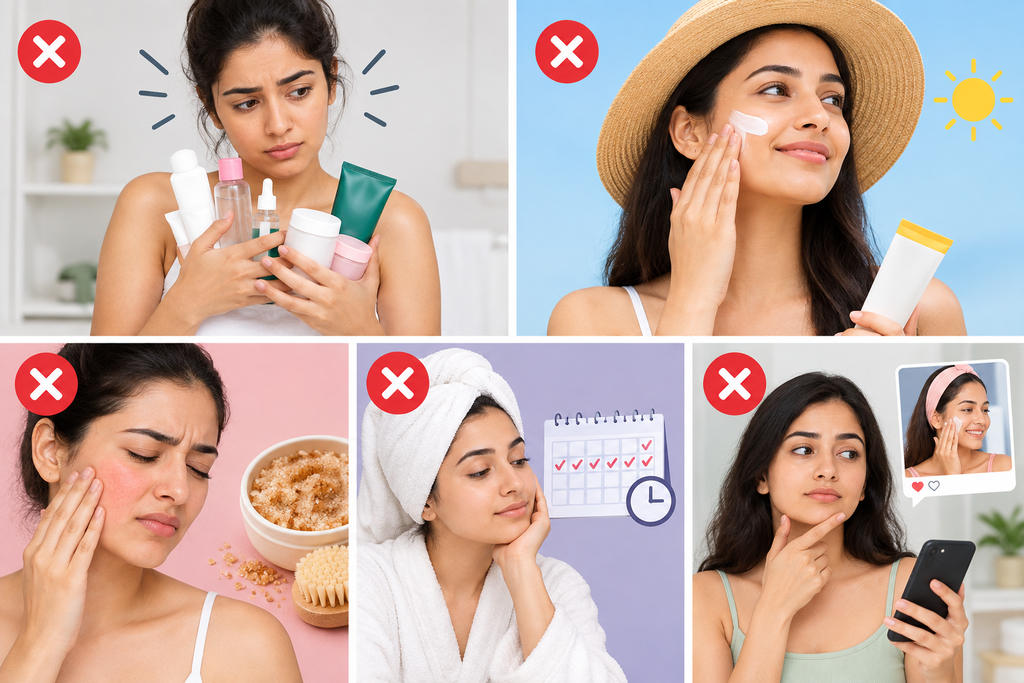
- Using too many products at once – This can overwhelm your skin and make it harder to identify what’s actually working or causing irritation.
- Skipping sunscreen – Many beginners underestimate how important daily sun protection is.
- Over-exfoliating – Exfoliating too often can damage your skin barrier, leading to redness and sensitivity.
- Expecting overnight results – Skincare takes time. Most products need 4-6 weeks of consistent use before you see visible changes.
- Copying someone else’s routine – What works for your friend or a social media influencer may not work for your skin type.
Tips for Skincare Success

- Patch test new products before applying them all over your face to avoid unexpected reactions.
- Be consistent — skincare is a marathon, not a sprint.
- Listen to your skin — if a product causes irritation, stop using it immediately.
- Stay hydrated and eat well — your diet and water intake also affect your skin’s health.
- Get enough sleep — your skin repairs itself while you sleep, so rest is just as important as any product.
Final Thoughts
Starting your skincare journey doesn’t need to be intimidating. Remember, skincare is deeply personal — what works wonders for one person might not work the same way for you. The key is to start with the basics: a gentle cleanser, a suitable moisturizer, and daily sunscreen. From there, you can slowly explore additional products based on your skin’s specific needs.
Healthy skin isn’t about perfection; it’s about consistency, patience, and understanding your own skin. So take a deep breath, start simple, and enjoy the process of learning what makes your skin happy and healthy.